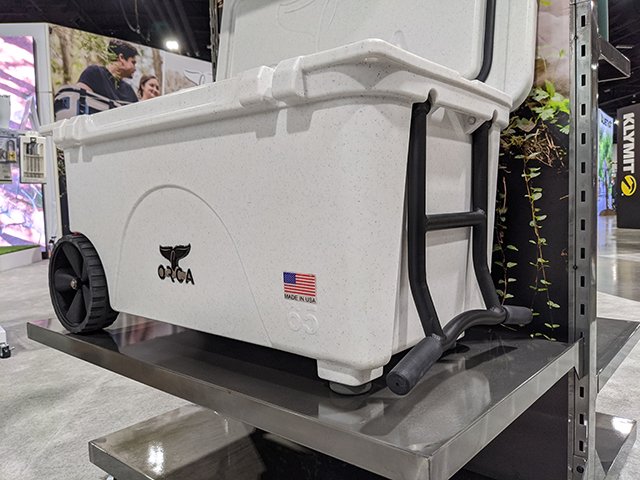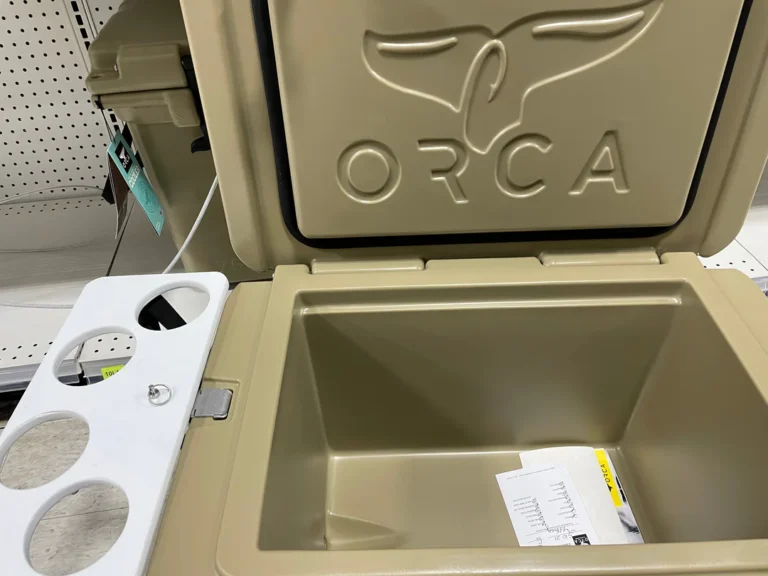
ORCA Cooler Parts – Replacement Components
Keep your ORCA cooler performing at its best with genuine replacement parts and accessories. From heavy-duty latches to freezer-grade gaskets, we offer the complete selection of components to maintain your cooler’s legendary performance.
Whether you need to replace a worn latch, upgrade to a cargo net, or restore the airtight seal with a new gasket, authentic ORCA cooler parts ensure your investment continues delivering professional-grade cooling for years to come.
Don’t let minor wear compromise your cooler’s ice retention. Our comprehensive guide covers all available ORCA replacement parts, installation tips, and maintenance advice to keep your cooler working like new.
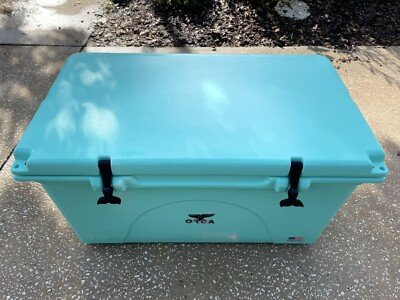
Essential ORCA Cooler Parts
Genuine ORCA cooler parts are designed to maintain the superior performance and durability that made your cooler legendary. Each component is manufactured to exact specifications, ensuring perfect fit and long-lasting reliability in any environment.
Most Common Parts
Installation Benefits
- Restores original ice retention
- Maintains airtight seal integrity
- Prevents costly cooler replacement
- Easy DIY installation process
- Preserves manufacturer warranty
- Extends cooler lifespan significantly
- Professional-grade performance
- Perfect fit guarantee
- Cost-effective maintenance solution
Why Choose Genuine ORCA Cooler Parts?
Genuine ORCA cooler parts are engineered to the same exacting standards as your original cooler. Using authentic components ensures perfect compatibility, optimal performance, and maintains the integrity of your cooler’s legendary ice retention capabilities. Generic parts may seem cost-effective initially but often fail to deliver the durability and performance you expect from your ORCA investment.
Perfect Fit Guarantee
Genuine ORCA parts are manufactured to exact specifications, ensuring seamless installation and optimal function. Each component matches the original dimensions and mounting points perfectly, eliminating compatibility issues.
Premium Material Quality
Authentic ORCA replacement parts use the same high-grade materials as original components. From marine-grade stainless steel to freezer-quality rubber gaskets, every part meets rigorous durability standards.
Performance Integrity
Maintain your cooler’s legendary ice retention and rugged durability with parts designed specifically for ORCA’s rotomolded construction. Generic alternatives can compromise sealing and cooling performance.
Complete ORCA Parts Catalog
Our comprehensive selection covers every replaceable component of your ORCA cooler. From frequently replaced wear items to specialty accessories, we stock the complete range of genuine parts to keep your cooler performing at its peak.
Available Part Categories
Sealing Components
Latches & Gaskets
Hardware
Handles & Hinges
Drainage
Plugs & Spouts
Accessories
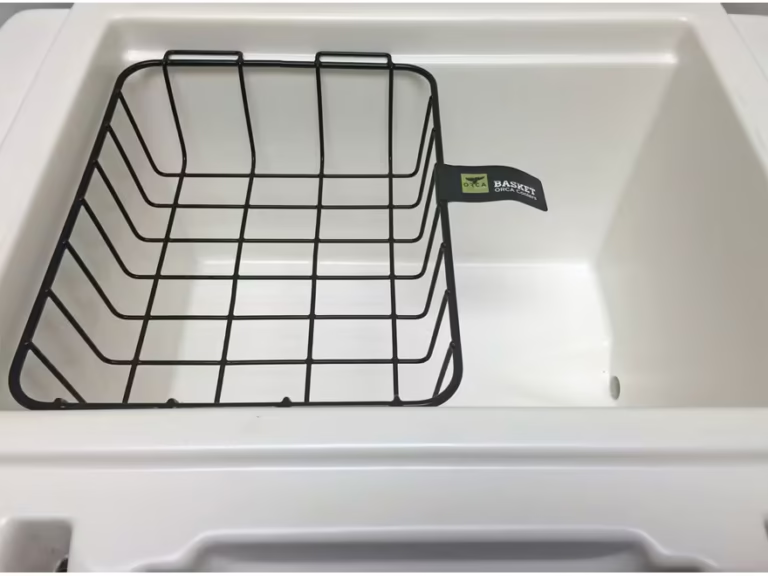
Nets & Dividers
Pro Tip: When ordering ORCA cooler parts, have your cooler’s model number and size ready. This ensures you receive the correct components for your specific cooler model. Most model information is found on a label inside the cooler or on the bottom exterior.
Most Frequently Replaced ORCA Parts
Certain cooler parts experience more wear than others due to regular use and environmental exposure. Understanding which components typically need replacement helps you maintain your cooler proactively and avoid performance degradation.
Rubber Latches
Heavy-duty rubber latches create the secure seal necessary for optimal ice retention. Over time, UV exposure and repeated use can cause rubber to become brittle, compromising the airtight seal.
Gasket Seals
The freezer-grade gasket creates the primary seal around the lid perimeter. This critical component prevents warm air infiltration and maintains consistent internal temperature.
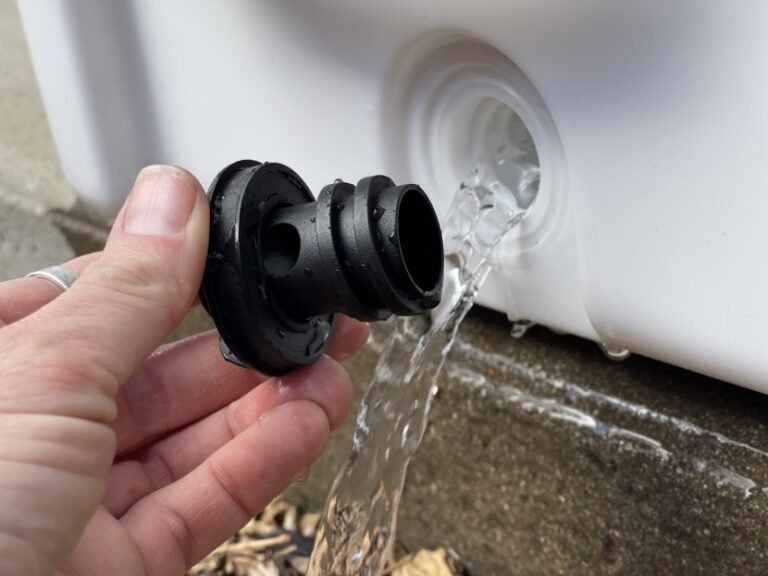
Drain Plugs
Drain plugs experience wear from repeated removal for cleaning and water drainage. A properly functioning drain plug prevents leaks during transport and ensures complete drainage.
Signs Your ORCA Cooler Needs Parts Replacement
Regular inspection helps identify wear before it affects performance. Catching issues early and replacing worn components maintains your cooler’s legendary ice retention and prevents more extensive damage that could require professional repair or cooler replacement.
If ice melts faster than usual, inspect gaskets and latches for proper sealing. Even small gaps can significantly impact cooling performance and indicate worn sealing components.
Latches should close smoothly and hold firmly. Resistance, looseness, or inability to achieve proper closure indicates wear that compromises the airtight seal.
Cracks, tears, or permanent deformation in the lid gasket allow warm air infiltration. Replace gaskets at first sign of damage to maintain cooling efficiency.
Loose, cracked, or broken handles create safety hazards and make transport difficult. Replace damaged handles immediately to prevent cooler drops and injuries.
Leaking drain plugs or difficulty achieving complete drainage indicates worn threading or gasket failure. Replace drain components to prevent leaks and ensure easy cleaning.
Cargo nets, cup holders, or other accessories that won’t secure properly may need replacement hardware. Functional accessories enhance cooler utility and convenience.
ORCA Parts Installation Guide
Most ORCA cooler parts can be replaced with basic tools and minimal mechanical experience. Proper installation ensures optimal performance and prevents damage to your cooler during the replacement process.
General Installation Tips
Before beginning any part replacement, clean the installation area thoroughly and have all necessary tools ready. Take photos of the original configuration to reference during reassembly. Work in good lighting and take your time to ensure proper alignment and secure attachment.
Gasket Replacement: Critical for Ice Retention
The gasket seal is arguably the most critical component affecting your cooler’s performance. A properly functioning gasket creates the airtight seal necessary for multi-day ice retention. Gasket replacement requires careful attention to detail but dramatically improves cooling performance when done correctly.
Gasket Installation Process
Remove the old gasket completely and clean the channel thoroughly with degreasing cleaner. The new gasket should fit snugly in the channel without stretching or compression. Work around the perimeter gradually, ensuring even seating and proper corner alignment.
Testing Gasket Performance
After installation, perform the “paper test” by closing the lid on a piece of paper around the entire perimeter. The paper should be held firmly but slide out with moderate resistance. Areas with no resistance or excessive resistance indicate improper gasket seating that requires adjustment.
ORCA Cooler Parts Compatibility
Not all ORCA parts are universal across different cooler sizes and models. Understanding compatibility prevents ordering incorrect components and ensures optimal fit and function. Most parts are specific to cooler capacity ranges or particular model generations.
Small Coolers (20-40 Qt)
Compact coolers typically share latches, handles, and drainage components. Gaskets are size-specific but latching hardware is often interchangeable within this range.
Medium Coolers (58-75 Qt)
Mid-size models use heavier-duty components designed for increased capacity and weight. Handle assemblies and latch mechanisms are typically stronger than smaller cooler parts.
Large Coolers (140+ Qt)
Large capacity coolers require specialized heavy-duty components. Multiple latches, reinforced handles, and oversized drainage systems are common in this size range.
Important Note: When in doubt about part compatibility, contact ORCA customer service with your cooler’s model number and manufactured date. They can verify exact part numbers and ensure you receive components that fit perfectly and maintain warranty coverage.
Frequently Asked Questions
Where can I find my ORCA cooler’s model number?
Your ORCA cooler’s model number is typically found on a label inside the cooler or on the bottom exterior. The model number includes the capacity (like “20” for 20-quart) and sometimes a generation identifier. This information is essential for ordering the correct replacement parts.
How often should I replace my cooler’s gasket seal?
Gasket replacement frequency depends on usage and care. With proper maintenance, quality gaskets can last 3-5 years. However, if you notice reduced ice retention, visible cracking, or the gasket fails the “paper test,” it’s time for replacement regardless of age.
Can I use generic parts instead of genuine ORCA components?
While generic parts may fit, they often don’t meet ORCA’s quality standards and can compromise performance. Genuine ORCA parts ensure proper fit, optimal function, and maintain your cooler’s warranty coverage. The small cost difference is worthwhile for maintaining legendary performance.
What tools do I need for basic cooler parts replacement?
Most ORCA cooler part replacements require basic tools: Phillips head screwdriver, socket wrench set, pliers, and clean rags. Some installations may need thread locker compound. Specific requirements vary by part type, but most are designed for simple DIY replacement.
Will replacing parts void my ORCA cooler warranty?
Using genuine ORCA replacement parts and following proper installation procedures typically doesn’t void warranty coverage. However, improper installation or using non-genuine parts may affect warranty claims. Keep receipts and follow installation guidelines to maintain coverage.
How do I know if my cooler latches need replacement?
Replace latches if they don’t close smoothly, won’t stay latched during transport, show visible cracking or deformation, or fail to create proper sealing pressure. Latches should operate effortlessly but hold the lid securely closed with adequate compression on the gasket.
Can I repair a cracked cooler handle or should I replace it?
Cracked handles should always be replaced rather than repaired. Handle failure during transport can cause serious injury and damage to your cooler and contents. Replacement handles are relatively inexpensive compared to the risk of continued use of damaged components.