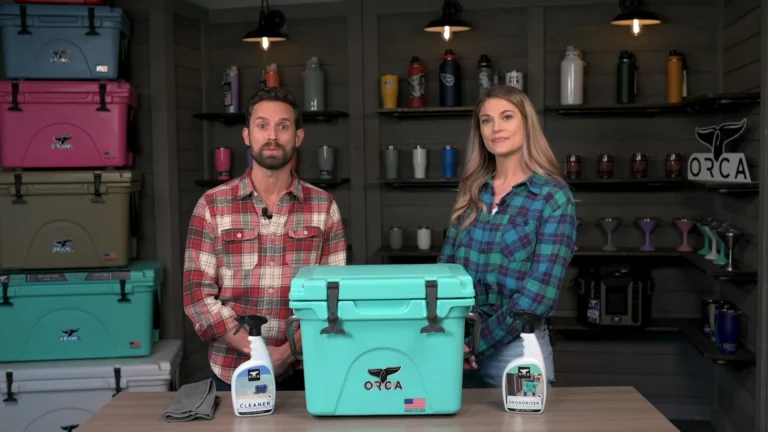
ORCA Ice Retention Guide – 10+ Day Performance
ORCA coolers deliver exceptional ice retention, keeping ice frozen for 10+ days in optimal conditions. Understanding how to maximize this performance transforms your outdoor adventures and eliminates the need for frequent ice runs.
Professional ice retention isn’t magic – it’s science. ORCA’s rotomolded construction, premium insulation, and freezer-grade seals work together to create an ultra-efficient cooling system that outperforms standard coolers by days.
This comprehensive guide reveals the techniques and best practices that help you achieve maximum ice retention from your ORCA cooler, whether you’re planning a weekend camping trip or a two-week expedition.
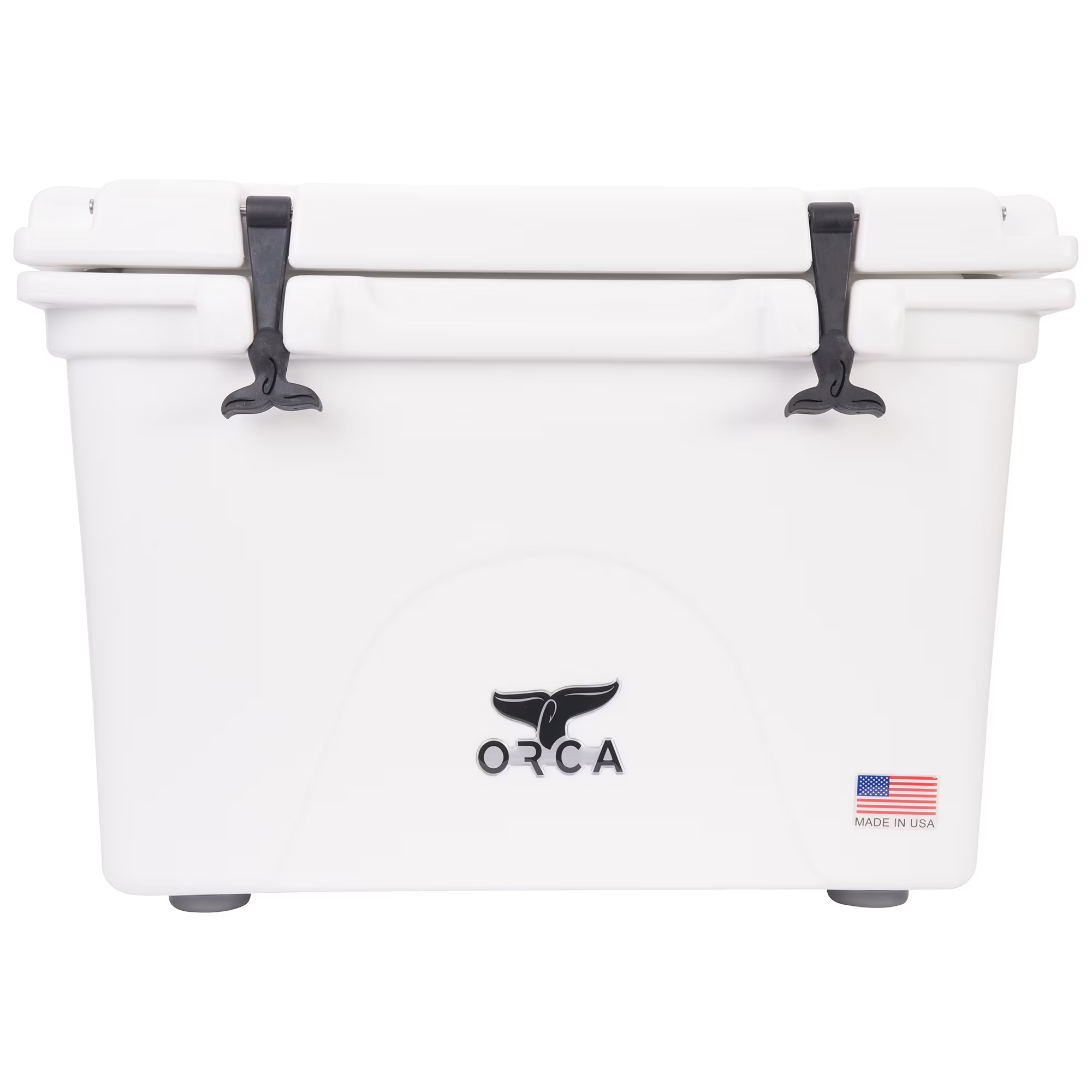
ORCA 58 Quart Cooler
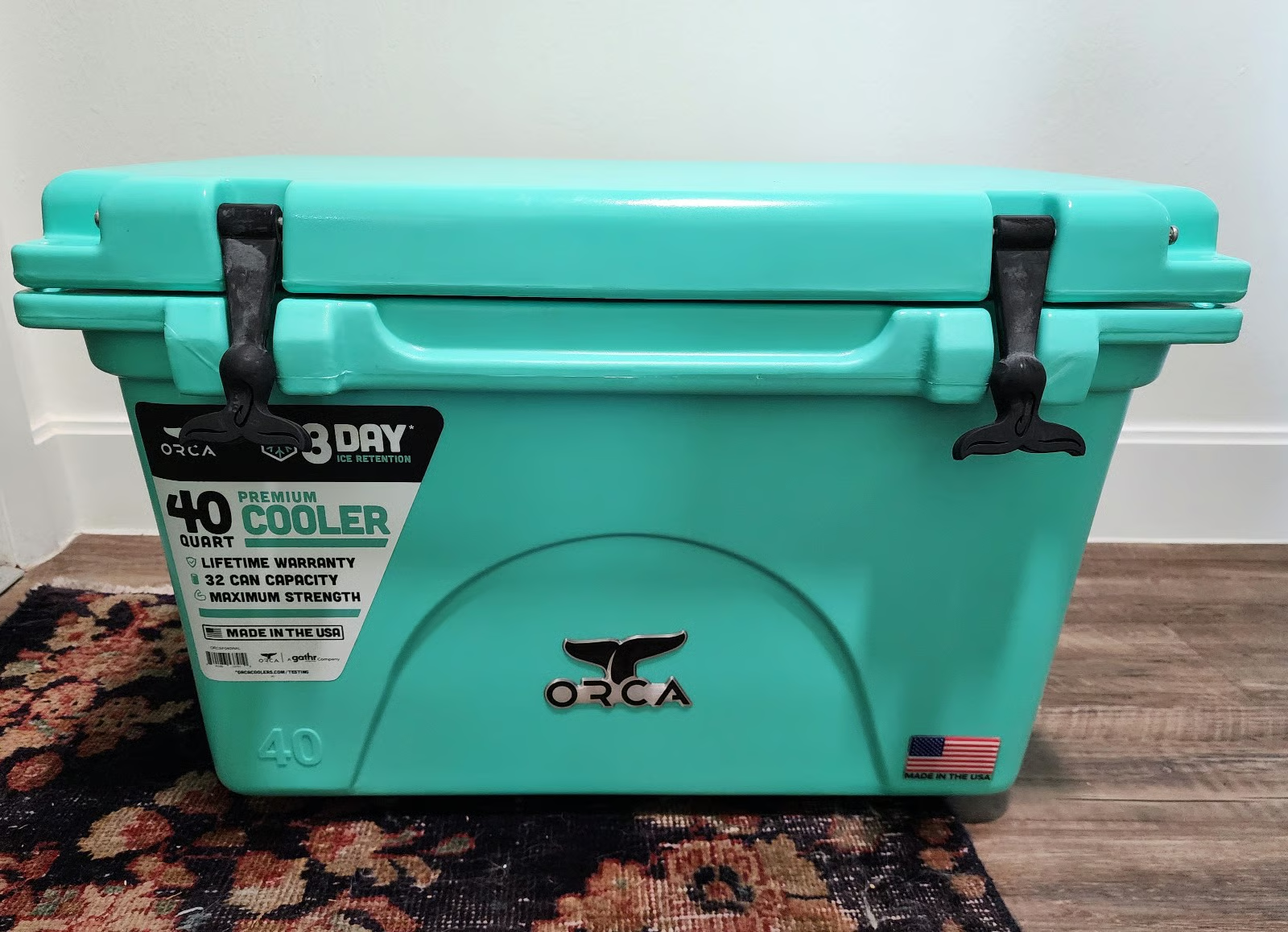
The ORCA 58 quart cooler exemplifies superior ice retention technology, maintaining ice for 10+ days. This model showcases all the advanced features that make ORCA coolers the gold standard for extended cooling performance.
Ice Retention Performance
Advanced Features
- Seamless rotomolded body
- Premium closed-cell foam insulation
- Airtight freezer-grade gasket
- Heavy-duty T-handle latches
- Integrated hinge system
- Non-slip rubber feet
- Recessed drain plug
- Rope handles with grip
- UL tested performance
Why ORCA Coolers Achieve Superior Ice Retention
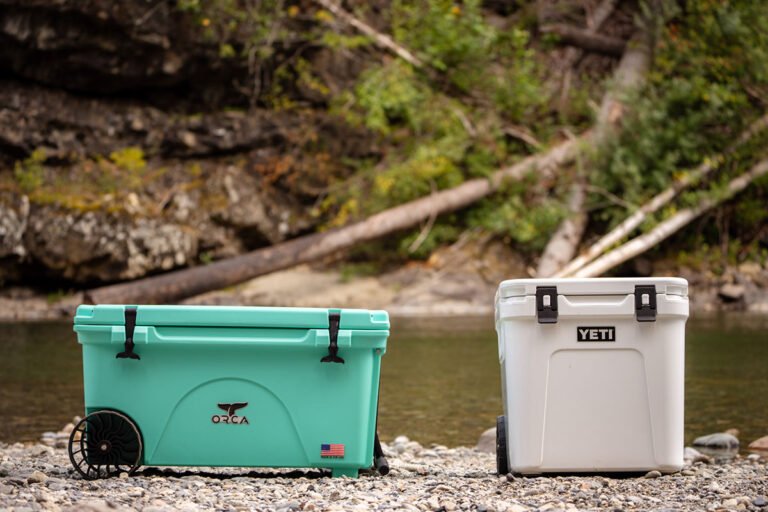
ORCA coolers consistently outperform competitors in ice retention tests due to advanced engineering and premium materials. Every component is designed to minimize heat transfer and maximize cooling efficiency. The result is ice retention that can exceed 10 days under optimal conditions, setting ORCA apart from standard coolers that struggle to maintain ice for even 24 hours.
Rotomolded Construction
The rotomolding process creates seamless, single-piece cooler bodies with consistent wall thickness. This eliminates weak points and thermal bridges that allow heat infiltration. The result is a cooler shell that maintains structural integrity while providing superior insulation performance.
Premium Insulation System
ORCA coolers feature 3+ inches of closed-cell foam insulation injected under pressure. This creates a dense, uniform insulation barrier that dramatically slows heat transfer. The thick insulation walls are what enable multi-day ice retention that standard coolers simply cannot achieve.
Freezer-Grade Gasket Seal
The airtight gasket seal prevents warm air infiltration, which is critical for extended ice retention. ORCA uses commercial-grade gaskets similar to those found in commercial refrigeration equipment. This professional-level seal locks in cold air and keeps warm air out.
How Ice Retention is Tested
ORCA coolers undergo rigorous UL (Underwriters Laboratories) testing to verify ice retention claims. These standardized tests ensure consistent, reliable performance measurements that you can trust when planning your adventures. Understanding the testing process helps you interpret ice retention specifications accurately.
UL Standard Testing Conditions
Ambient Temperature
90°F
Ice Type
Cubed Ice
Fill Ratio
2:1 Ice
Pre-Chill Time
24 Hours
Testing Reality: Laboratory ice retention tests use optimal conditions that may not match real-world usage. Factors like frequent opening, direct sunlight, and higher ambient temperatures will reduce ice retention. However, ORCA’s superior construction means it maintains its performance advantage even in challenging conditions.
How to Maximize Ice Retention in ORCA Coolers
While ORCA coolers are engineered for exceptional ice retention, proper preparation and usage techniques can extend performance even further. These proven strategies help you get the maximum cooling time from every ice load, whether you’re planning a weekend trip or extended expedition.
Pre-Cooling Strategy
Chill your cooler overnight before loading. Add ice or freeze water bottles 24 hours before your trip to bring the internal temperature down. This reduces the cooling workload when you add your final ice load.
Optimal Ice Ratio
Use a 2:1 ice-to-contents ratio for maximum retention. Two-thirds ice, one-third food and drinks ensures adequate cooling capacity. Block ice lasts longer than cubed ice due to lower surface area exposure.
Temperature Management
Start with items that are already cold or frozen. Room temperature items require significant cooling energy. Pre-freeze drinks and food when possible to maximize your ice’s cooling power.
Professional Ice Retention Techniques
Professional guides and outdoor enthusiasts use advanced techniques to extend ice retention beyond standard recommendations. These methods can help you achieve the maximum possible performance from your ORCA cooler, especially during extended trips or extreme conditions.
Layer ice and contents strategically. Place a base layer of ice, add frequently used items on top, then cover with more ice. This minimizes warm air exposure when accessing items.
Add dry ice to extend retention for extremely long trips. Use proper safety precautions and ventilation. Dry ice can extend cooling performance by several additional days when used correctly.
Add external insulation like blankets or sleeping bags in extreme heat. Cover the cooler with reflective materials to deflect radiant heat. Every barrier helps maintain internal temperature.
Keep coolers in shade, ideally with airflow underneath for ventilation. Avoid direct ground contact on hot surfaces. Position the cooler where it receives the least sun exposure throughout the day.
Organize contents for quick access. The less time the lid stays open, the better your ice retention. Consider using a secondary cooler for frequently accessed drinks.
Block ice provides the longest retention, followed by large cubes, then smaller cubes. Crushed ice cools quickly but melts fastest. Choose ice type based on your specific cooling needs.
Factors That Impact Ice Retention Performance
Understanding what affects ice retention helps you plan more effectively and set realistic expectations. While ORCA coolers provide exceptional baseline performance, environmental and usage factors significantly influence actual ice retention times.
Environmental Factors
Ambient temperature has the greatest impact on ice retention. Every 10°F increase in outside temperature can reduce ice life by 1-2 days. Humidity, direct sunlight, and wind exposure also affect performance. Understanding these variables helps you choose the right cooler size and prepare appropriate ice quantities.
Usage Factors
How you use your cooler dramatically affects ice retention. Each time you open the lid, you exchange cold air for warm air. The duration and frequency of openings, along with how you pack and access contents, can make the difference between 5-day and 10-day ice retention.
Choosing the Right Ice for Maximum Retention
The type of ice you choose significantly impacts how long your ORCA cooler maintains cold temperatures. Different ice types have distinct advantages and are suited for different applications. Understanding these differences helps you optimize ice retention for your specific needs.
Block Ice (Best Retention)
Provides the longest ice retention due to minimal surface area exposure. Blocks melt slowly and maintain temperature effectively. Ideal for extended trips where maximum ice life is critical. Can last 2-3 days longer than cubed ice.
Large Cubed Ice
Offers good retention while providing better contact with contents than blocks. Easier to pack around items and provides more even cooling. Good compromise between retention time and cooling effectiveness.
Crushed Ice (Fastest Cooling)
Melts quickly but cools contents fastest due to maximum surface area contact. Best for rapid cooling when you need to bring items to temperature quickly. Not ideal for extended retention.
Pro Strategy: Use a combination of ice types for optimal performance. Start with block ice for base retention, add large cubes for general cooling, and use some crushed ice for immediate cooling of room temperature items. This layered approach maximizes both immediate cooling and long-term retention.
Common Ice Retention Mistakes to Avoid
Even with a high-performance ORCA cooler, certain mistakes can dramatically reduce ice retention. Avoiding these common errors can add days to your ice life and ensure your cooler performs to its full potential.
Pre-Cooling Neglect
Loading a warm cooler wastes significant ice just bringing the internal temperature down. Always pre-chill your cooler overnight before loading. This simple step can extend ice retention by 1-2 days.
Insufficient Ice Ratio
Using too little ice is the most common mistake. A 1:1 ratio isn’t enough for extended retention. Stick to the 2:1 ice-to-contents ratio for optimal performance, even if it means bringing less food and drinks.
Frequent Lid Opening
Every lid opening exchanges cold air for warm air. Plan what you need before opening, and organize contents for quick access. Consider using a secondary cooler for frequently accessed items like drinks.
Direct Sun Exposure
Even the best insulation can’t overcome direct sunlight all day. Always position your cooler in shade when possible, or create shade with tarps, umbrellas, or vehicle positioning.
Draining Cold Water
Cold meltwater actually helps maintain temperature. Only drain water if you need space or the cooler becomes difficult to move. The cold water is still working to keep your contents cool.
Wrong Ice Type
Using only crushed ice for extended trips wastes retention potential. Choose ice type based on your specific needs: block ice for maximum retention, cubes for balanced performance, crushed ice for rapid cooling.
Real-World Ice Retention Expectations
While ORCA coolers can achieve 10+ day ice retention under ideal laboratory conditions, real-world performance varies based on usage patterns and environmental factors. Understanding realistic expectations helps you plan appropriately and appreciate your cooler’s exceptional performance.
Typical Performance by Scenario
Beach/Lake Day
2-4 Days
Car Camping
5-7 Days
Backcountry Trip
7-10 Days
Optimal Conditions
10+ Days
Setting Realistic Expectations
Your ORCA cooler will consistently outperform standard coolers by several days, even in challenging conditions. Focus on the performance advantage rather than absolute numbers. A cooler that maintains ice for 5 days in 90°F weather with frequent access is performing exceptionally well.
When to Add More Ice
Plan ice resupply based on your specific trip and conditions rather than manufacturer claims. For extended expeditions, identify potential ice resupply points or consider multiple coolers. The key is understanding your cooler’s capabilities and planning accordingly.
Frequently Asked Questions
How long do ORCA coolers hold ice in real-world conditions?
ORCA coolers typically maintain ice for 5-10 days in real-world conditions, depending on ambient temperature, usage frequency, and packing technique. In optimal laboratory conditions, they can exceed 10+ days. Factors like frequent opening, direct sunlight, and high ambient temperatures will reduce retention time, but ORCA coolers consistently outperform standard coolers by several days.
What’s the best ice-to-contents ratio for maximum retention?
Use a 2:1 ice-to-contents ratio for optimal ice retention. This means two parts ice to one part food and beverages. While this reduces storage space for contents, it ensures adequate cooling capacity to maintain temperature for extended periods. This ratio is critical for achieving the maximum ice retention your ORCA cooler is capable of.
Should I drain melted water from my ORCA cooler?
Only drain meltwater if necessary for space or portability. Cold meltwater actually helps maintain low temperatures and continues cooling your contents. The water is typically just as cold as the remaining ice. Only drain if the cooler becomes too heavy to move or you need space for additional items.
Does block ice really last longer than cubed ice?
Yes, block ice significantly outlasts cubed ice due to lower surface area exposure to warm air. Block ice can extend ice retention by 2-3 days compared to cubed ice. However, cubed ice cools contents more quickly due to better contact. For maximum retention, use block ice as your base layer and add some cubes for immediate cooling.
How important is pre-chilling my ORCA cooler?
Pre-chilling is extremely important and can extend ice retention by 1-2 days. A warm cooler uses significant ice energy just to bring the internal temperature down. Chill your cooler overnight before loading, either in a cool location or with sacrificial ice that you replace before your trip. This simple step dramatically improves performance.
Why does opening frequency affect ice retention so much?
Each time you open the cooler lid, cold air escapes and warm air enters. This warm air must be cooled down, using ice energy. Frequent opening can reduce ice retention by hours or even days on extended trips. Plan what you need before opening, organize contents for quick access, and consider using a secondary cooler for frequently accessed drinks.
Can I use dry ice to extend ice retention in my ORCA cooler?
Yes, dry ice can significantly extend cooling performance when used safely. Dry ice sublimates at -109°F, providing extremely cold temperatures. Use proper ventilation, avoid airtight sealing, and handle with insulated gloves. Dry ice can extend cooling by several additional days but requires careful safety precautions due to carbon dioxide gas production.